


Why Do Deck Boards Crack? Common Causes and How to Prevent Them
Best Sellers
Posted on November 9, 2026 at 1:25 am
Table of Content
Deck boards can crack because of moisture changes, direct sunlight, improper installation, poor drainage, and natural wood characteristics. Some cracks are small surface checks that develop as wood dries, while others can indicate damage that affects the strength and safety of the deck.
Understanding why do deck boards crack helps homeowners identify the cause, choose suitable decking materials, and maintain their outdoor spaces. Although natural wood can develop cracks over time, proper installation and regular maintenance can help reduce the risk of serious damage.
This guide explains the common causes of deck board cracking, how to identify different types of cracks, and what you can do to prevent or repair them.
Why Do Deck Boards Crack?
The main reason deck boards crack is that wood naturally expands and shrinks as its moisture content changes. When wood absorbs moisture, it expands. When it dries, it shrinks. Repeated movement can create stress within the board and cause cracks to form.
However, moisture is not the only cause. Sunlight, temperature changes, unsuitable fasteners, poor ventilation, and heavy loads can also contribute to cracking.
The severity of a crack depends on its depth, location, and effect on the board’s strength. Small surface checks may not affect the deck’s safety, but deep splits and damaged boards may need replacement.
1. Moisture Changes Cause Wood to Expand and Shrink
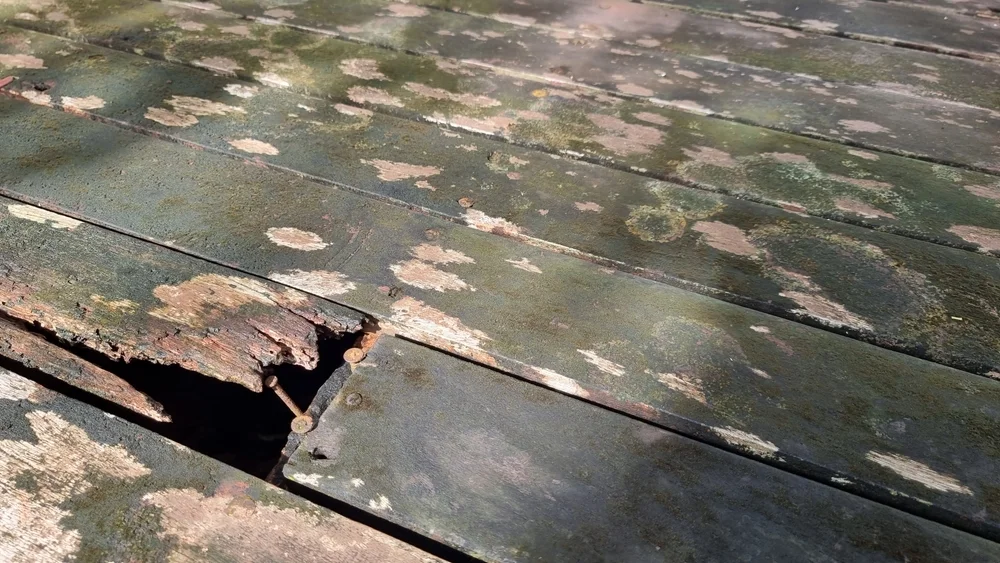
Moisture changes are one of the most common reasons wooden deck boards develop cracks. Wood absorbs and releases moisture depending on the surrounding conditions.
When boards become wet, they expand. As they dry, they shrink. This repeated movement can put stress on the wood fibers, eventually creating cracks along the grain.
How Moisture Leads to Cracking
Moisture does not always enter or leave a board evenly. The surface may dry faster than the inside, creating differences in moisture content across the wood.
This uneven drying can cause small cracks called surface checks. These cracks often follow the direction of the wood grain.
How to Reduce Moisture-Related Cracking
- Choose decking lumber suitable for outdoor conditions.
- Allow the boards to acclimate as recommended before installation.
- Maintain appropriate spacing between boards.
- Keep the deck clean so water does not remain trapped.
- Use a suitable exterior finish when recommended for the wood species.
Wood movement is natural, so these steps can reduce the risk of cracking but cannot eliminate it completely.
2. Direct Sunlight and High Temperatures Dry Out Deck Boards
Decks exposed to strong sunlight can heat up quickly during the day. Sunlight, low humidity, and wind can also remove moisture from the wood’s surface.
When the surface dries faster than the interior, stress can develop within the board. This may contribute to surface checking, especially in wood exposed to repeated cycles of intense heat and moisture.
Signs of Sun-Related Cracking
Sun-related damage may appear as:
- Fine cracks running along the grain.
- Small surface splits on exposed boards.
- Fading or discoloration.
- Deterioration of an existing protective finish.
The direction of the deck, the amount of shade, the local climate, and the wood species all influence how much the boards are affected.
How to Protect Deck Boards From Sunlight
A suitable exterior stain or finish may help limit rapid moisture changes and protect the wood from ultraviolet exposure. Choose a product designed for your decking material and follow its application instructions.
Regular inspections can also help you identify new cracks before they become more pronounced.
3. Improper Installation Can Split Deck Boards
Incorrect installation can place unnecessary stress on deck boards. Even good-quality lumber may crack if it is fastened incorrectly or installed without following the manufacturer’s recommendations.
Common Deck Installation Mistakes
Fasteners Placed Too Close to the Edges
Screws or nails installed too close to a board’s edge or end can split the wood. This is especially likely when the lumber is dry or has a grain pattern that makes it more prone to splitting.
Incorrect Screw Placement
Driving screws too deeply or using unsuitable fasteners can damage the wood fibers. Incorrect fastening can also prevent the boards from moving as intended.
Incorrect Board Spacing
Deck boards need appropriate spacing for drainage and natural movement. The required gap depends on the decking material, moisture condition, and installation instructions.
How Proper Installation Helps
Use the fasteners specified for the decking material and follow the recommended fastening pattern. Pre-drilling near board ends may help reduce splitting when required or recommended for the wood species and fastener system.
Correct installation reduces unnecessary stress and helps the boards remain secure.
4. Poor Drainage and Ventilation Keep Deck Boards Damp
Water that remains on a deck for long periods can contribute to moisture-related damage. Leaves, dirt, and other debris may block gaps between boards and prevent water from draining properly.
Poor airflow beneath a deck can also slow drying and allow moisture to remain around the supporting structure.
Why Standing Water Is a Problem
Repeated or prolonged moisture exposure can contribute to wood deterioration and fungal decay. As the wood weakens, it may become more vulnerable to splitting under normal use.
Cracking may therefore be a sign of a larger moisture problem rather than an isolated surface issue.
Ways to Improve Drainage
- Remove leaves and debris from the deck surface.
- Keep gaps between boards clear.
- Check that water drains away from the structure.
- Avoid blocking airflow beneath the deck.
- Inspect areas where water regularly collects.
If a board feels soft, crumbles easily, or shows signs of decay, replacing it may be necessary. Improving drainage can help prevent the same problem from affecting other boards.
5. Natural Wood Characteristics Can Lead to Cracks
Wood is a natural material, and individual boards do not all behave in the same way. Knots, grain direction, density, and other natural characteristics can influence how a board responds to changes in moisture and temperature.
Knots and Grain Patterns
Knots form where branches grew from the tree. They can interrupt the normal grain pattern and create areas where stress is distributed differently.
Some cracks develop near knots or follow changes in the grain. These cracks may become visible as the wood dries or experiences repeated outdoor exposure.
Surface Checks Versus Structural Splits
Small surface checks are often part of the natural drying process. They may not affect the board’s strength if they remain shallow and stable.
Deeper splits are different. A crack that extends through much of the board’s thickness or causes the board to move may affect its ability to support weight.
The presence of a crack does not automatically mean that a board is unsafe. Its depth, location, and progression should be considered when deciding whether repair or replacement is necessary.
6. Poor-Quality or Unsuitable Decking Materials May Crack More Easily
The type and quality of lumber used for a deck can affect its long-term performance. Boards that are improperly dried, damaged, or unsuitable for outdoor exposure may be more likely to develop problems after installation.
Different wood species also vary in natural durability, dimensional stability, and resistance to moisture.
What to Consider When Choosing Decking Lumber
Before purchasing decking material, consider:
- Outdoor suitability: Choose lumber intended for the conditions in which it will be used.
- Moisture condition: Boards should be suitable for installation according to the manufacturer’s recommendations.
- Natural durability: Some species are better suited to outdoor exposure than others.
- Board quality: Inspect lumber for significant defects and damage.
- Maintenance needs: Consider the care required to maintain the material over time.
Pressure-treated lumber and naturally durable hardwoods have different characteristics and care requirements. No natural wood species is completely immune to cracking.
7. Missing or Unsuitable Protective Finishes Can Increase Weather Exposure
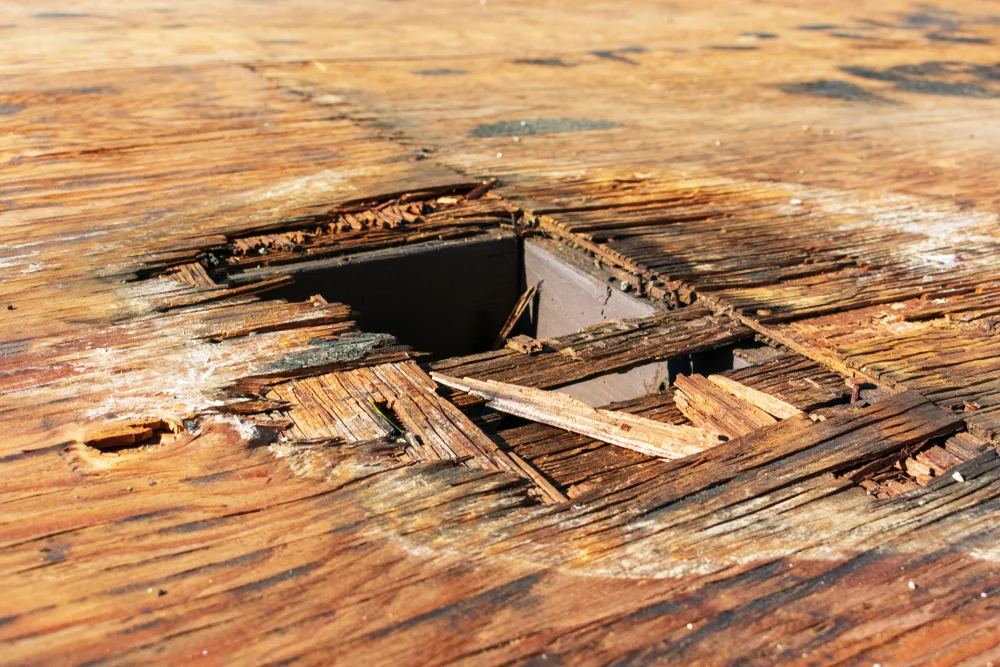
Some wood decks benefit from a suitable exterior stain, sealant, or other protective finish. Depending on the product, a finish may help limit rapid moisture exchange, reduce ultraviolet damage, and protect the surface from weather exposure.
However, finishes do not all provide the same protection.
Choosing the Right Deck Finish
Select a product designed for exterior decking and compatible with the wood species. Some products focus on water repellency, while others also provide color and ultraviolet protection.
Follow the product instructions for surface preparation, drying time, and application. Applying a finish over dirty or damp wood may reduce its performance.
When Should You Reapply a Finish?
The timing depends on the product, exposure, and condition of the deck. Inspect the surface regularly and follow the manufacturer’s maintenance recommendations.
A protective finish can help reduce weather-related damage, but it cannot prevent all natural wood movement or repair deep cracks.
8. Heavy Loads and Physical Stress Can Damage Deck Boards
Deck boards must be supported correctly and used within the limits of the deck’s design. Excessive weight, concentrated loads, or repeated impact can cause damage, particularly when boards are already weakened.
Where Stress-Related Cracks May Appear
Cracks caused by physical stress may develop near fasteners, support points, or areas carrying concentrated weight.
A board that is poorly supported may bend more than intended. If it already contains a crack or defect, additional pressure may cause the damage to spread.
What to Do About Load-Related Damage
If a board cracks suddenly, moves underfoot, or feels unstable, avoid using the affected area until it has been inspected. The problem may involve the joists, fasteners, or supporting structure as well as the board itself.
A qualified deck professional can determine whether the damage is limited to one board or indicates a larger structural issue.
How to Tell Whether a Cracked Deck Board Needs Repair
Not every crack requires the same response. A shallow surface check may only need monitoring, while a deep split or decayed board may need replacement.
Small Surface Cracks
Fine cracks that follow the grain and do not affect the board’s stability may be surface checks. Monitor them for changes and maintain the wood according to the manufacturer’s recommendations.
Cracks Around Screws or Nails
Splitting around fasteners may indicate incorrect placement, unsuitable fasteners, or excessive tightening. The cause should be corrected to prevent further damage.
Deep or Widening Cracks
Deep splits, cracks that continue growing, or damage that affects the board’s ability to support weight should be inspected promptly. Replacement may be the safest option.
Soft, Spongy, or Decaying Wood
Wood that feels soft or breaks apart easily may have deteriorated because of prolonged moisture exposure. Cosmetic repairs will not restore the strength of decayed wood.
How to Prevent Deck Boards From Cracking
Although natural wood can develop cracks over time, good material selection, installation, and maintenance can reduce the likelihood of serious damage.
Choose Suitable Decking Material
Select lumber or manufactured decking designed for the intended outdoor conditions. Consider durability, moisture movement, maintenance requirements, and the local climate.
Install Boards According to Instructions
Use appropriate fasteners, follow the recommended spacing, and ensure the supporting structure is suitable. Follow the decking manufacturer’s installation requirements.
Keep the Deck Clean and Dry
Remove debris regularly and keep drainage gaps clear. Address areas where water collects and maintain suitable airflow beneath the structure.
Maintain Protective Finishes
Inspect the surface and apply a compatible exterior finish when recommended. Proper preparation and application are important for achieving the intended protection.
Inspect the Deck Regularly
Look for new cracks, loose fasteners, splintering, discoloration, and signs of decay. Early attention can help prevent minor problems from becoming more serious.
Frequently Asked Questions
Can cracked deck boards cause splinters?
Yes. Cracked or weathered deck boards can develop rough edges and loose wood fibers that cause splinters. Sanding may help with minor surface roughness, but severely split or deteriorated boards may need replacement.
Should you fill cracks in wooden deck boards?
Small, stable surface cracks may not need filling. Many ordinary wood fillers are not suitable for exposed decking because wood continues to expand and shrink outdoors. Check whether a repair product is designed for exterior decking before using it.
Do deck boards crack more in winter?
Cracking can occur in winter, but it depends on the climate, moisture conditions, and wood species. In freezing conditions, water trapped in existing openings may freeze and expand. Seasonal moisture changes can also contribute to cracking.
Can pressure-treated deck boards still crack?
Yes. Pressure-treated lumber resists certain forms of biological deterioration, depending on the treatment, but it can still expand, shrink, split, and develop surface checks as its moisture content changes.
Does painting deck boards prevent cracks?
Paint may provide some protection against weather exposure when it is suitable for the decking material and applied correctly. However, it cannot stop natural wood movement or guarantee that cracks will not develop. Use a coating specifically recommended for the intended deck surface.
Are cracks in composite decking normal?
Composite decking can develop cracks or splits, but these problems have different causes from natural wood checking. Impact damage, improper installation, excessive heat, or inadequate support may contribute. Follow the manufacturer’s guidance for inspection and repair.
Can you pressure wash cracked deck boards?
Pressure washing can damage wood fibers, worsen splintering, and force water into existing cracks if the pressure is too high or the nozzle is too close. Use the cleaning method recommended for the decking material and avoid aggressive washing of damaged boards.
How often should deck boards be inspected for cracks?
Inspect the deck at least seasonally and after severe weather or an incident that may have caused damage. Check more frequently if the deck receives heavy use or has a history of moisture problems.
Can cracked deck boards affect the deck’s structural safety?
They can. Shallow surface checks may have little effect on strength, but deep splits, decay, and cracks near important support points can weaken a board. If the deck feels unstable or a board moves underfoot, restrict access until it has been inspected.
Is it better to repair or replace a cracked deck board?
The decision depends on the crack’s depth, location, and effect on the board’s strength. Minor surface checks may only require monitoring, while deep splits, severe splintering, or decay often make replacement the better option. The underlying cause should also be corrected to help prevent recurring damage.
Conclusion
Understanding why do deck boards crack starts with recognizing how wood responds to moisture, sunlight, installation conditions, and everyday use. Changes in moisture content are a common cause, but poor drainage, incorrect fastening, natural wood characteristics, unsuitable materials, and excessive stress can also contribute to cracking.
Small surface checks may be a normal part of natural wood’s behavior, while deep splits, decay, and unstable boards require closer inspection. Choosing suitable decking material, following proper installation methods, maintaining drainage, and inspecting the deck regularly can help reduce damage and extend its useful life.
When a crack affects the board’s stability or continues to grow, have the affected area inspected and replace damaged material when necessary. Identifying and correcting the underlying cause is the best way to protect the deck over time.